

Aiguiseur
EUR 39,95
Prix de vente conseillé
du fabricant
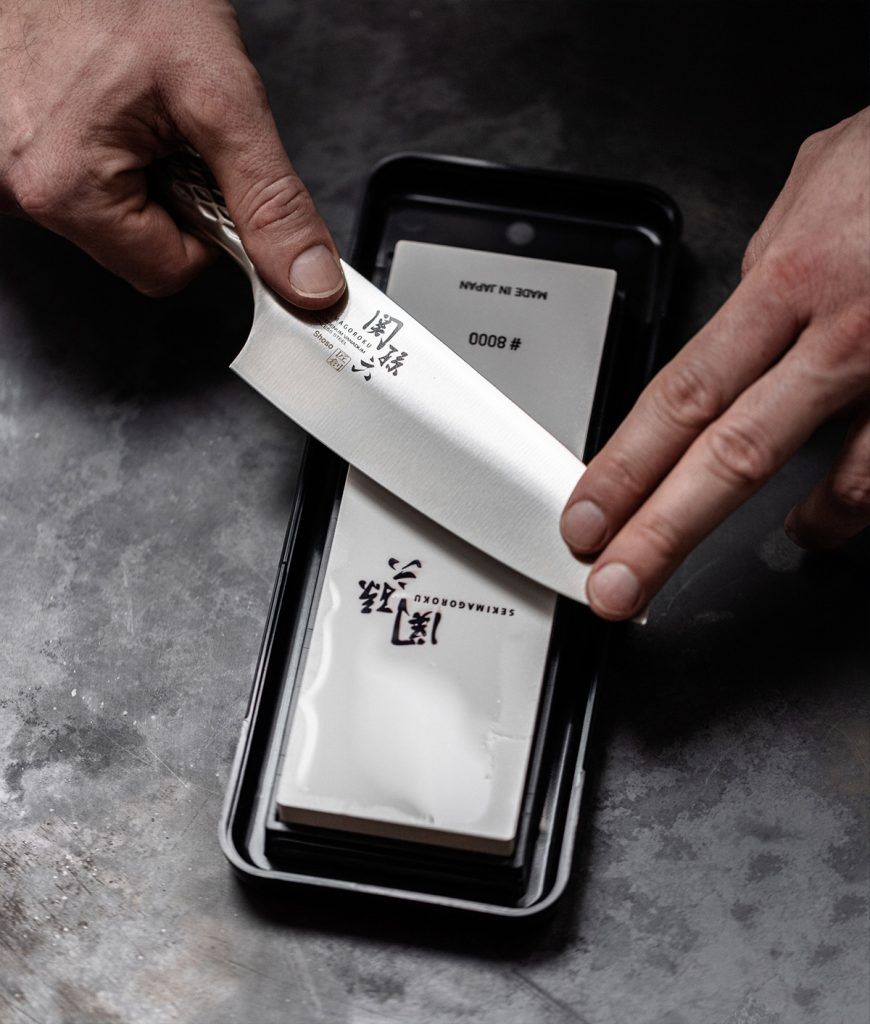
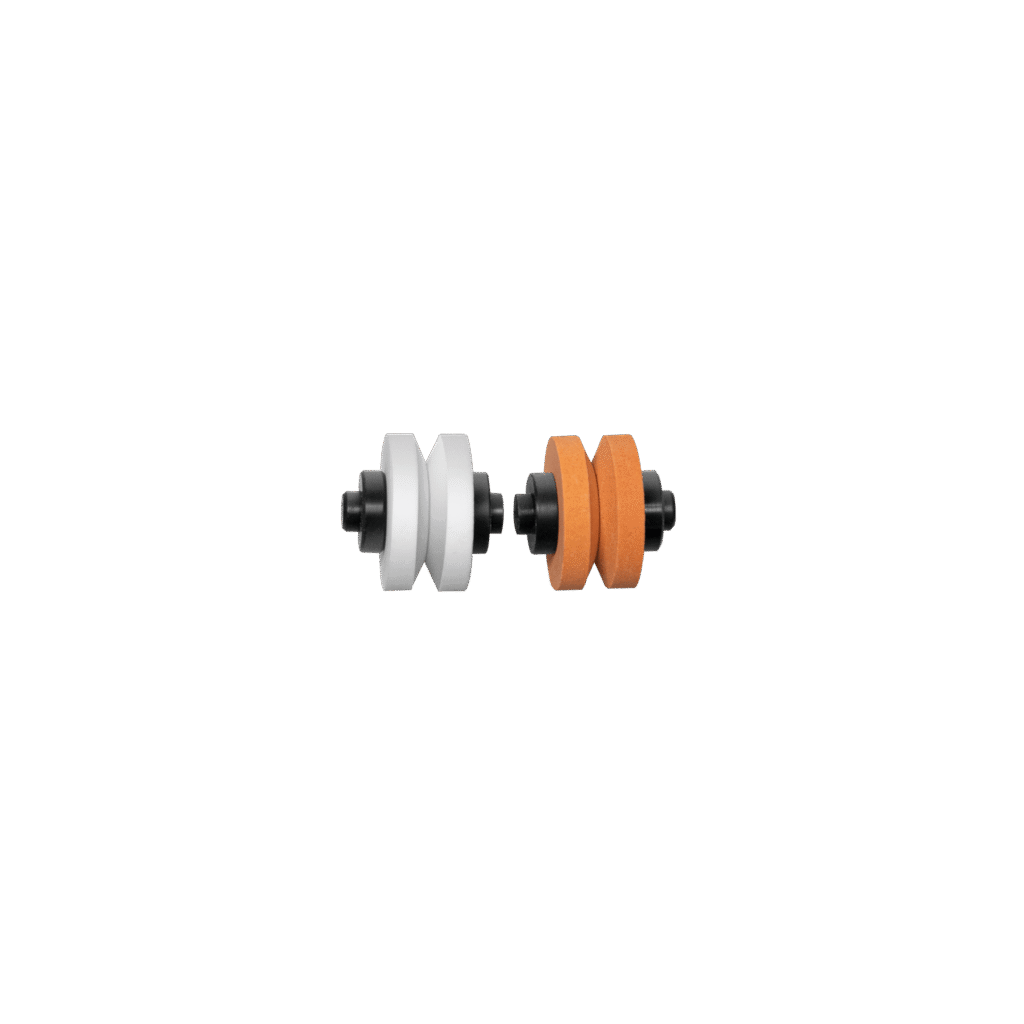
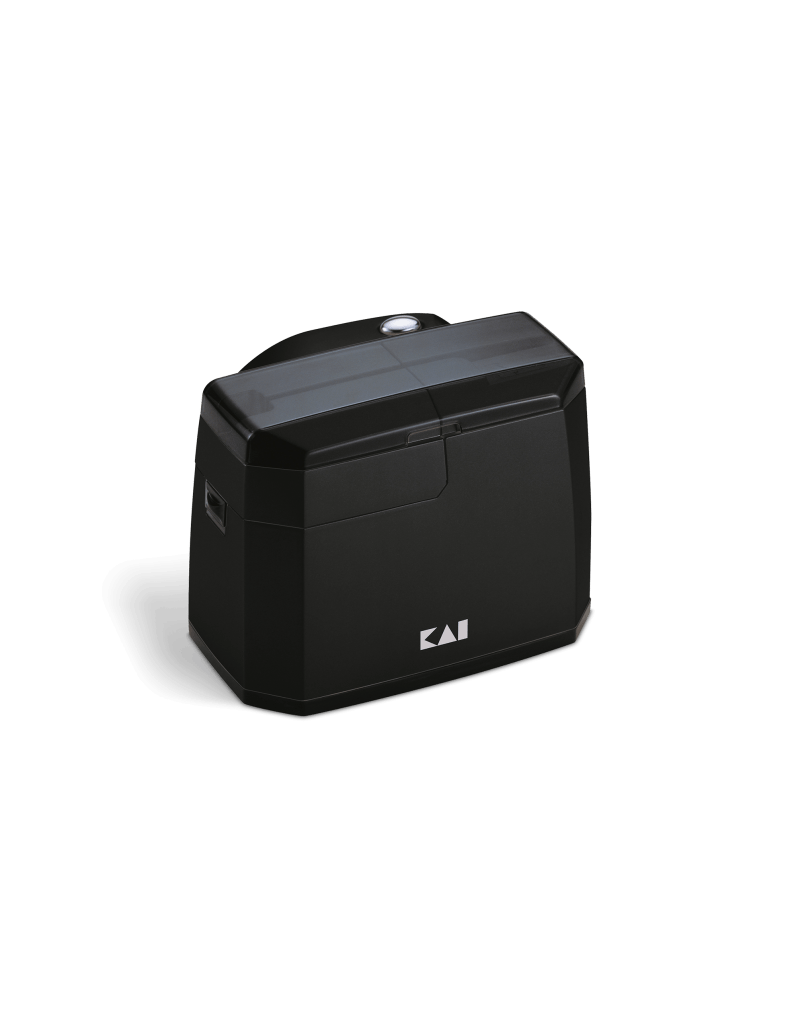
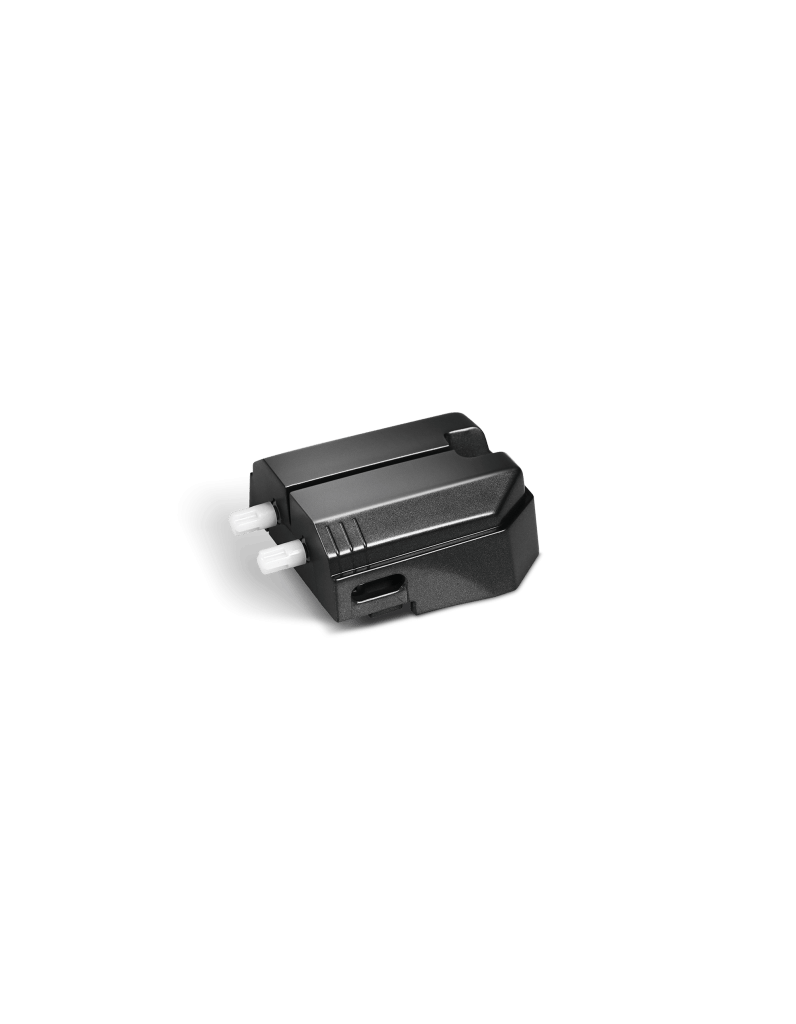
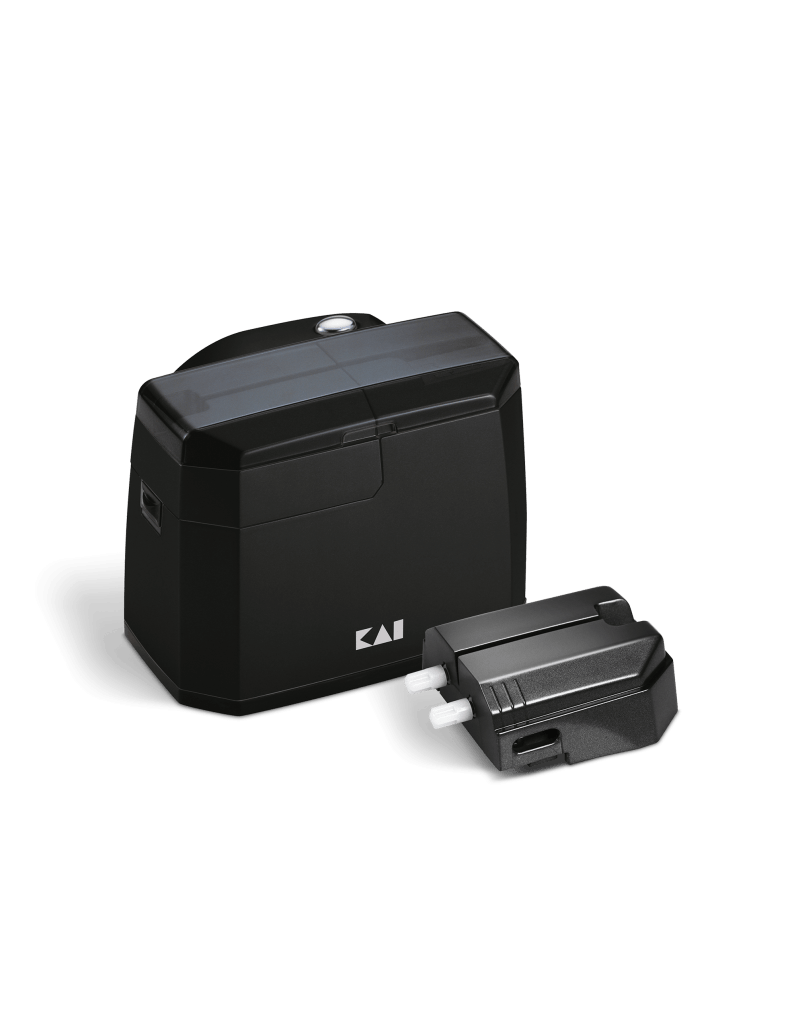
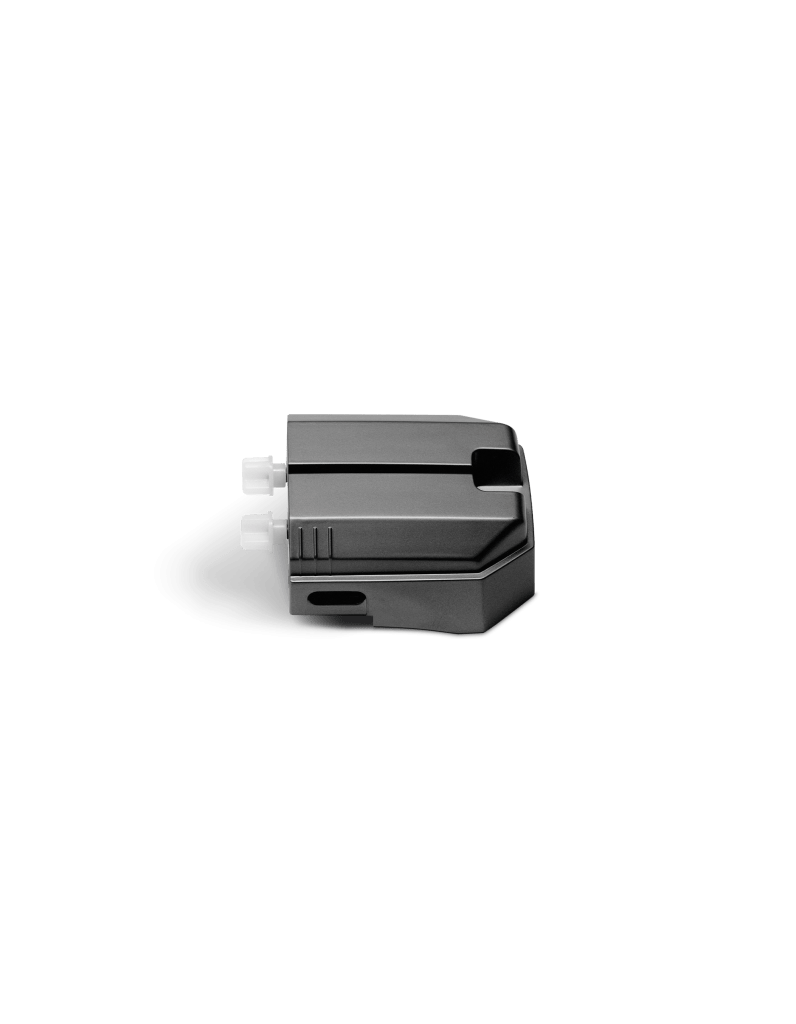
Pour un affûtage fin et homogène, l’aiguiseur NEW EDGE est équipé de pierres d’affûtage et de polissage de haute qualité, en céramique liée, d’origine japonaise. En deux étapes successives, la lame est pré-affûtée puis polie - l’angle prédéfini et le mécanisme de guidage garantissent une utilisation précise et contrôlée. Les granulométries correspondent à un grain 1000 lors de la première étape et à un grain 4000 lors de la seconde, ce qui le rend idéal pour le réaffûtage et le polissage des couteaux de cuisine japonais à double biseau.
Dans la première étape (Étape 1 / unité en céramique blanche), la lame est affûtée. Faites passer le couteau uniformément dans l’aiguiseur environ dix fois. Une particularité du NEW EDGE est que vous pouvez glisser la lame en va et vient – sans pression supplémentaire, uniquement avec le poids du couteau.
Vérifiez ensuite délicatement le tranchant – par exemple à l’aide d’un test sur papier ou d’un test prudent sur l’ongle.
Dans la second step (Étape 2 / unité en céramique orange), l’affûtage fin du tranchant s’effectue. Faites à nouveau passer le couteau environ dix fois avec une légère pression dans le second guide, en va‑et‑vient, afin d’affiner la surface d’affûtage.
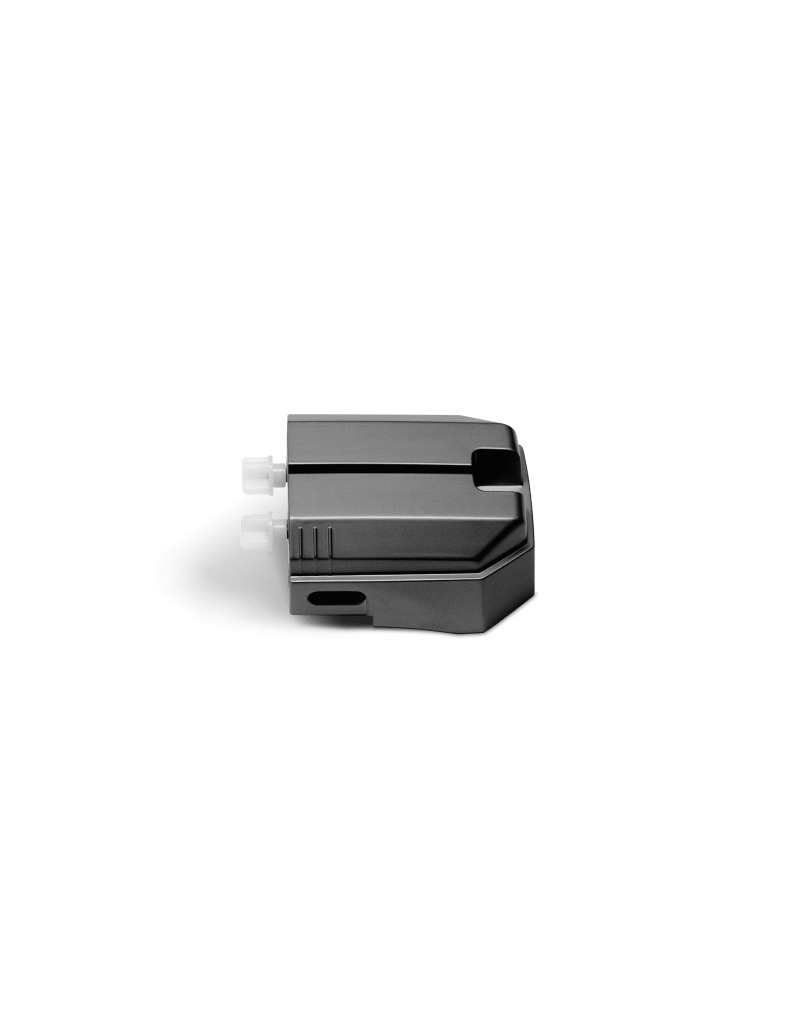
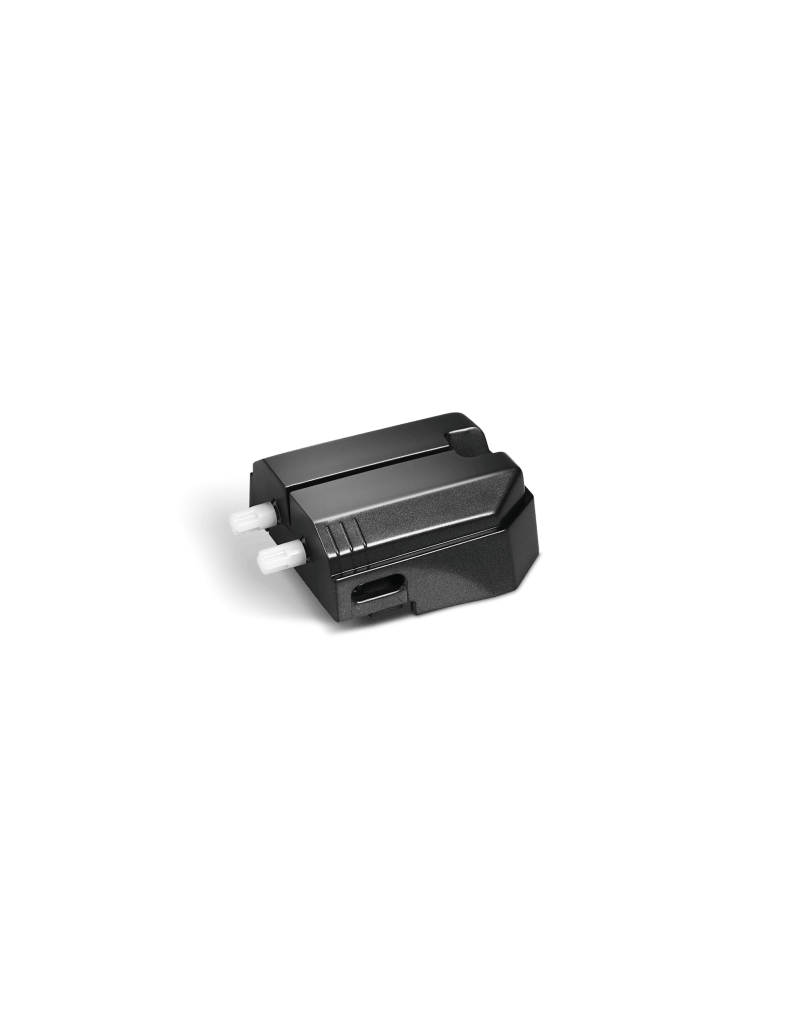
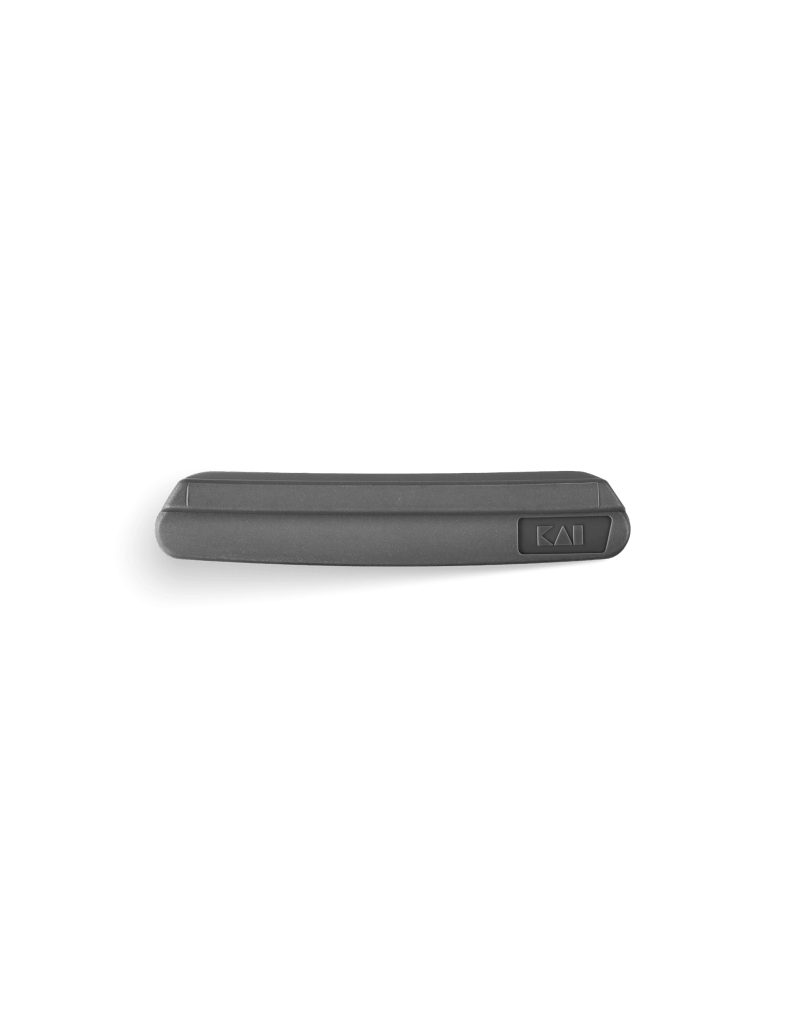
Le cuir d’affilage imprégné de particules de diamant de 9 µm permet d’affiler et de polir le tranchant. Cela contribue à maintenir une lame extrêmement fine et tranchante comparable à celle d’un rasoir. Alors que les pierres d’affûtage sont surtout utilisées en cas d’usure plus importante, le cuir d’affilage est idéal pour l’entretien régulier de la lame.
Pour l’affilage sur le cuir, tirez le couteau vers l’arrière sous un angle légèrement plus faible (env. 12–13°), en effectuant des mouvements lents et contrôlés. Une légère pression et environ 5–10 passages par côté suffisent.
Il est recommandé de remplacer les pierres en céramique après environ 500 affûtages afin de garantir une performance constante.
Cette année, KAI et Tim Mälzer fêtent le 15e anniversaire de leur fructueuse collaboration. Nous célébrons cet évènement marquant, avec une édition limitée exceptionnelle qui saura faire battre le cœur des passionnés de cuisine. THE LEGEND – le nom de ce couteau spécial anniversaire parle de lui-même.
Avec sa lame tantō, il rend hommage aux légendaires samouraïs japonais. Fidèles à leur héritage, les couteaux KAI perpétuent encore aujourd’hui l'art traditionnel du forgeage, tout en y intégrant les technologies les plus modernes et innovantes.
Copyright © 2026. KAI EUROPE GmbH. Tous droits réservés.
Get notified about new products arrivals and early release info.
Sign up to our newsletter
Copyright © 2026. KAI EUROPE GmbH. Tous droits réservés.
